Scandinavian directions
Routes where a ferry crossing is a natural part of transport to or from Scandinavia.
We help organise ferry crossings for road transport and loads that require a connection across the Baltic Sea, the North Sea or other ferry routes.
A ferry crossing is often one stage of a larger transport order. What matters is not only the ferry itself, but also timing, vehicle type, cargo type, documents, loading hours and the onward route after leaving the ferry.
ABCGF helps organise this process and match the solution to the route. This may apply to truck transport, trailers, palletised cargo or transport that requires a road-and-ferry connection.
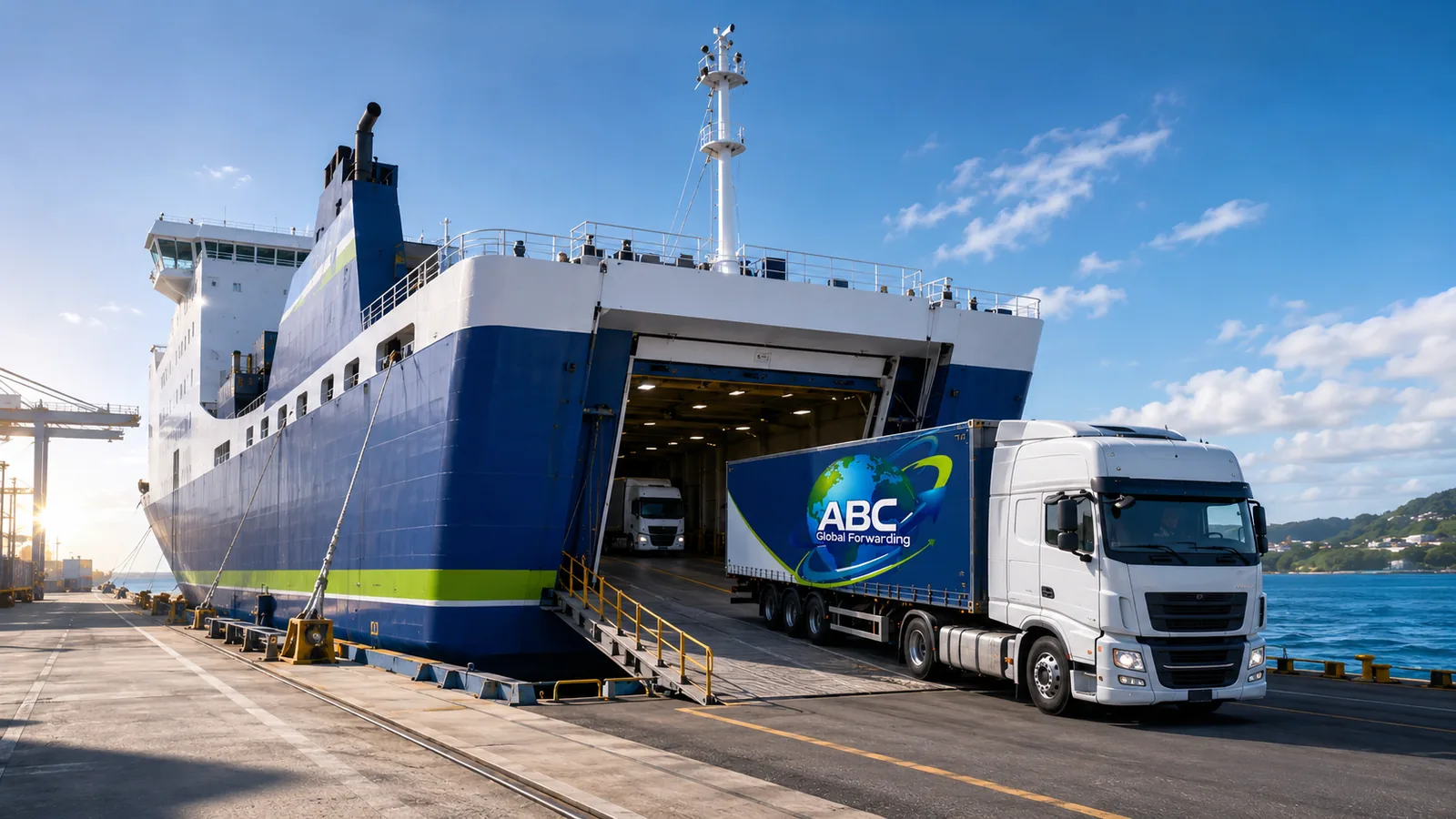
Routes where a ferry crossing is a natural part of transport to or from Scandinavia.
Ferry connections used in transports between Northern and Western European countries.
Organisation of crossings for a vehicle, truck-and-trailer set, trailer or cargo that requires a road-and-ferry connection.
Combining pallet transport, LTL or larger consignments with a ferry route.
Checking the information needed for booking, execution and further transport coordination.
Connecting the crossing with the onward road route, delivery to the consignee or warehouse handling.
We need to know where the load starts, where it has to arrive and which part of the route should involve a ferry crossing.
Dimensions, weight, vehicle type, trailer type, number of pallets or type of goods are important.
We check the cargo ready date, expected delivery date and any time flexibility.
If the ferry is only one part of the route, we include onward road transport, warehousing or transhipment.
In ferry transport, several things have to work together: the journey to the port, check-in, sailing time, vehicle type, cargo requirements and the onward route on the other side. That is why the ferry crossing is best analysed as part of the whole transport process.
Send the route, date and vehicle or cargo details, and we will check the possibility of organising the ferry crossing.
We can help organise a ferry crossing as part of freight transport. Most often, we analyse it together with the road route, timing and cargo requirements.
Enquiries may involve routes where a ferry crossing is part of the transport, especially across the Baltic Sea, the North Sea and connections with Northern Europe. Feasibility is checked for each specific order.
Yes. To check a ferry crossing, we may need information about the vehicle type, trailer, dimensions, weight, cargo type, timing and document requirements.
We use essential cookies to make the website work properly. With your consent, we may also use analytics cookies that help us improve the service. Privacy policy