Road + rail
Combining road and rail transport when route stability, cost or limiting a long road leg matters for the load.
We help choose a solution that combines different transport modes: road, rail, sea or ferry. We check whether intermodal transport makes sense for the route, load, timing and budget.
Not every load is best handled by road alone. On longer routes, with larger volumes, port connections or routes requiring a ferry crossing, it is worth checking whether an intermodal or multimodal solution would be better.
ABCGF helps analyse the route and choose an option that may combine road, rail, sea or ferry transport. The aim is to organise the process properly, not to add unnecessary stages.
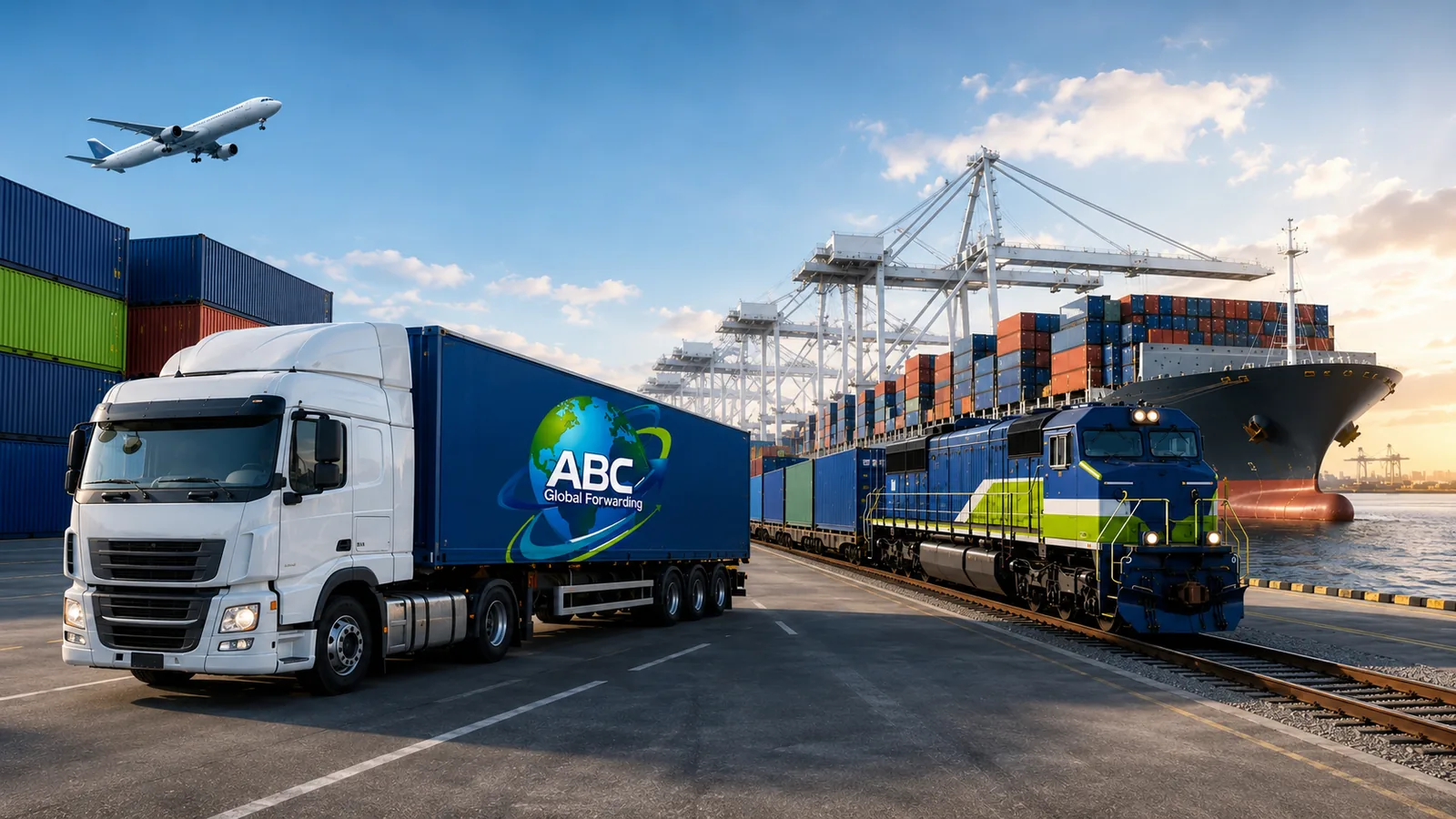
Combining road and rail transport when route stability, cost or limiting a long road leg matters for the load.
Organisation of a process in which road transport is combined with sea freight or port handling.
Selection of a ferry crossing for loads moving across the Baltic Sea, the North Sea or routes that require a ferry connection.
Checking whether the load can be handled in a container, trailer or another loading unit suitable for the chosen solution.
Combining transport with warehousing, transhipment, picking or shipment preparation.
Support in comparing options: road only, road + rail, road + sea or a combined solution.
We check the loading location, delivery location, access to ports, terminals, ferry crossings or rail sections.
We verify dimensions, weight, packaging method, loading unit and transhipment requirements.
We assess whether road, intermodal, multimodal transport or a combination with warehouse support is the better option.
If the solution makes sense, we help connect the transport stages and operational information into one process.
Intermodal transport makes sense when the route, volume, timing and cargo type justify combining several transport modes. We do not present it as a solution for every shipment. First, we check whether this option is practical and possible to organise.
Send the basic details and we will check whether intermodal transport makes sense for your route and load.
In intermodal transport, the load usually stays in the same loading unit, such as a container, even when the transport mode changes. Multimodal transport is a broader term and may involve different ways of handling the cargo at different stages of the route.
Not always. It is worth checking on longer routes, with larger volumes, port connections, ferry crossings or when road transport is not the optimal option.
Yes. If goods need to be received, transhipped, stored or prepared for further dispatch, the intermodal transport analysis can be combined with warehouse handling.
We use essential cookies to make the website work properly. With your consent, we may also use analytics cookies that help us improve the service. Privacy policy