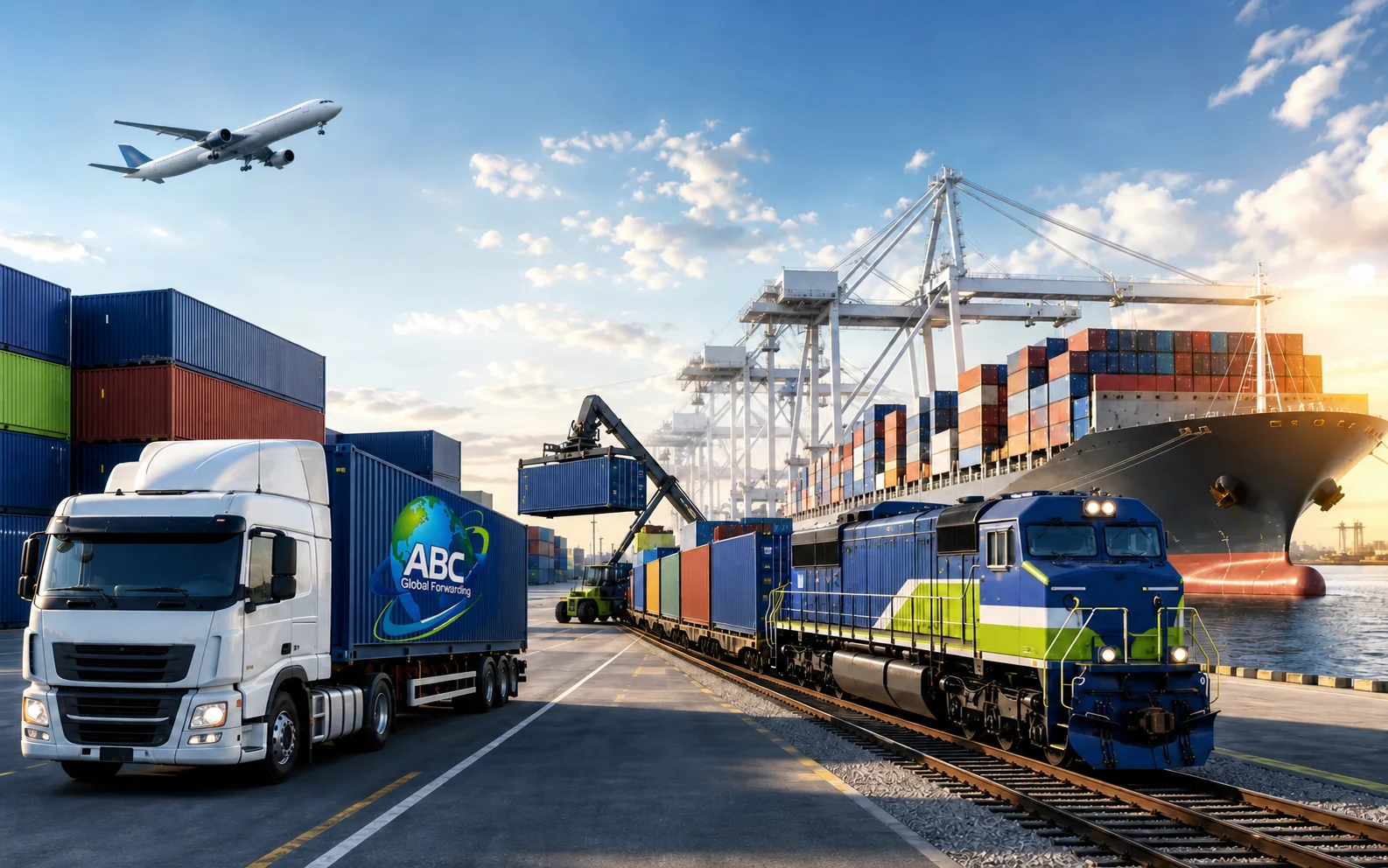
Intermodal transport is especially interesting when road transport alone is not the only reasonable option. It may combine road, rail, sea, inland waterway or another transport leg in one cargo process.
The key question is whether the cargo, timing and direction allow the process to be planned in advance and whether terminals or ports can be used along the route.
A proper analysis helps avoid choosing intermodal only because it sounds modern, rather than because it actually helps the supply chain.
What is intermodal transport?
In practical terms, intermodal transport means moving one loading unit, for example a container, using several transport modes. The unit remains essentially the same while the mode changes.
Road transport often handles the first and last mile: delivery to the terminal and final delivery. The main route section may use rail, sea, inland waterway or another mode.
When does intermodal make the most sense?
Intermodal is worth considering mainly on longer routes, with regular volumes and containerised cargo.
It can be a good option when the customer needs predictability, an alternative to road-only transport or a solution that combines the strengths of several modes.
When is road transport better?
Road transport can be simpler for urgent deliveries, short routes and small or irregular volumes.
If there is no suitable terminal nearby, the additional pre-carriage or on-carriage leg can complicate the process instead of improving it.
What data is needed to assess intermodal?
Assessing an intermodal option requires cargo data as well as route, timing and operational flexibility.
- country and place of dispatch,
- country and place of delivery,
- cargo type and restrictions,
- loading unit: container, pallets, trailer or another format,
- weight and dimensions,
- required delivery date,
- time flexibility,
- terminal handling options at dispatch or delivery,
- needed sea, rail, air or road leg,
- document and customs requirements.
Advantages and limitations
The main advantage of intermodal transport is the ability to combine the strengths of several transport modes. For some routes, this gives a better match of availability, cost and organisation.
The limitations are equally important: dependence on terminals, planning requirements, possible infrastructure barriers and more complex coordination.
The role of ABC Global Forwarding
ABC Global Forwarding helps assess whether intermodal makes sense for a specific direction. We can compare road, sea, rail or mixed options and indicate which model best matches the date, cost and operational requirements.
In practice this means coordinating road legs, supporting transshipment, checking terminal availability and preparing comparable options.
Decision checklist
Intermodal is worth checking when the route is longer, the volume is repeatable, timing allows planning and ports or terminals are available nearby.
Ask about an intermodal option