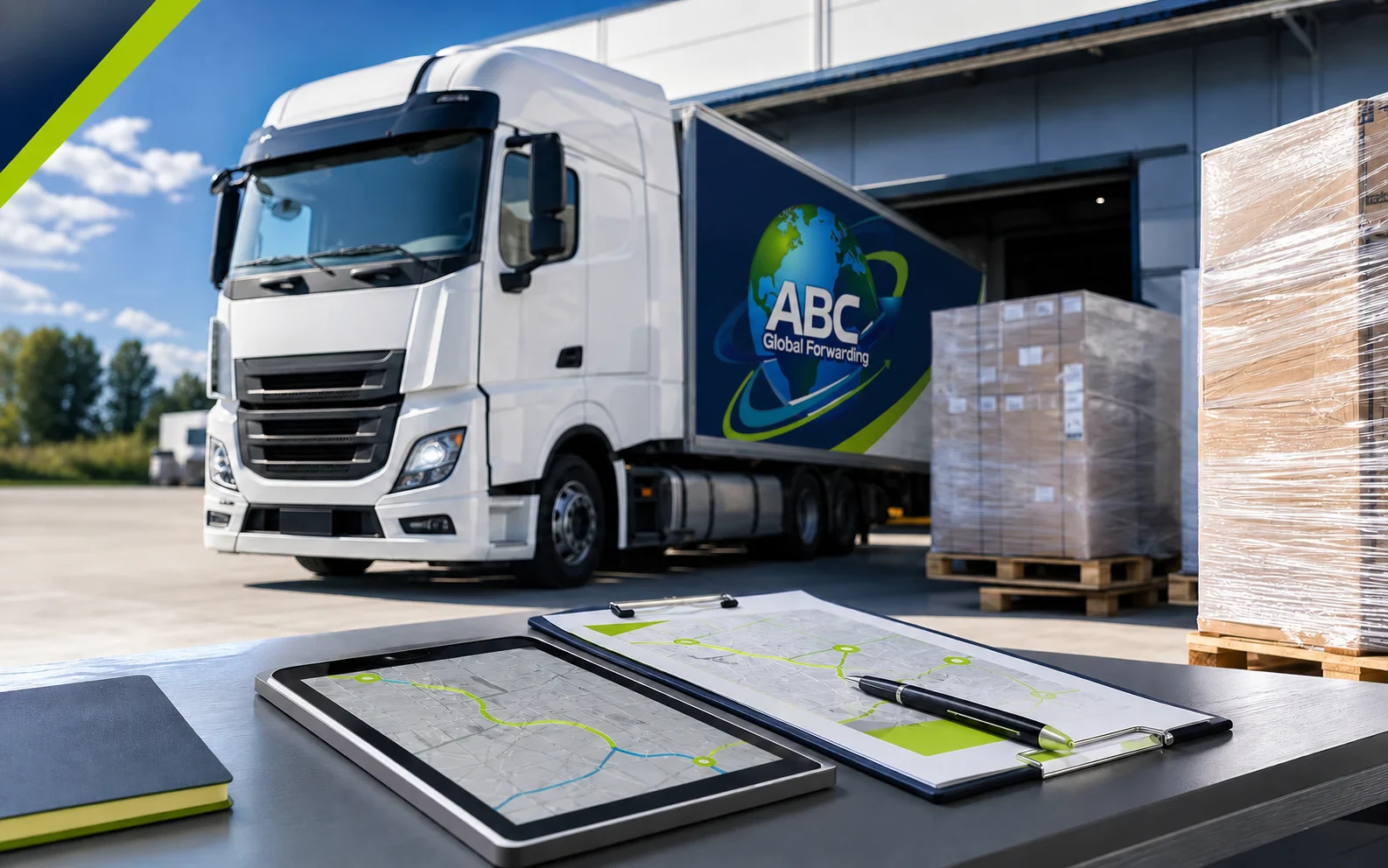
A road transport enquiry does not have to be complicated. The key point is that the operator should immediately know where the cargo moves from and to, when it is ready, how much space it takes and whether it requires special handling.
In practice, the difference between a fast, concrete quote and a long series of additional questions often comes down to a few missing details: pallet dimensions, full addresses, stacking information or loading requirements.
What is the difference between LTL and FTL?
LTL, or less-than-truckload, means transport of cargo that does not fill the whole vehicle. It is often used for smaller volumes, single pallets or regular smaller shipments.
FTL, or full truckload, means a vehicle or trailer dedicated to one shipment. It is usually better for full trailers, larger batches, urgent cargo or shipments that require fewer handling points.
What data is needed for a quote?
For a practical quote, collect operational and commercial data in one place.
- pickup and delivery locations, ideally full addresses or at least postcode and city,
- cargo ready date and expected delivery date,
- number of pallets, cartons or other load units,
- gross weight and dimensions of each unit,
- pallet type, for example EUR, industrial or non-standard,
- information whether the goods can be stacked,
- cargo type and any special requirements,
- goods value if it matters for insurance,
- requirements such as tail lift, booking, ADR, temperature, customs or a fixed time window,
- route scope: domestic, EU or international outside the EU.
Common mistakes in enquiries
The most common issue is providing weight without pallet count and dimensions. For a carrier, volume and the way the load can be arranged are as important as kilograms.
Quotes also take longer when only city-to-city directions are provided, without postcodes, cargo ready date or time-window information.
When to choose LTL?
LTL is worth considering for smaller batches of goods, regular shipments of several pallets or when cost is more important than a fully dedicated vehicle.
It works especially well when the goods have standard dimensions, do not require immediate dispatch and can be included in an existing transport network.
When to choose FTL?
FTL makes sense for larger batches, full trailers, urgent cargo or shipments that require dedicated space.
A full trailer may also be better when the load is fragile, non-standard, non-stackable or requires an individual operating approach.
How does ABC Global Forwarding help choose the option?
ABC Global Forwarding analyses the enquiry data, direction, cargo type and required date. This helps assess whether LTL, FTL, part load or a mixed solution is the more logical option.
For domestic and European enquiries, we help match the route, vehicle type, loading method and any warehouse or transshipment support.
Short checklist before sending an enquiry
Prepare addresses, date, pallet count, weight, dimensions, cargo type and special requirements before sending the enquiry.
Send a transport quote enquiry